

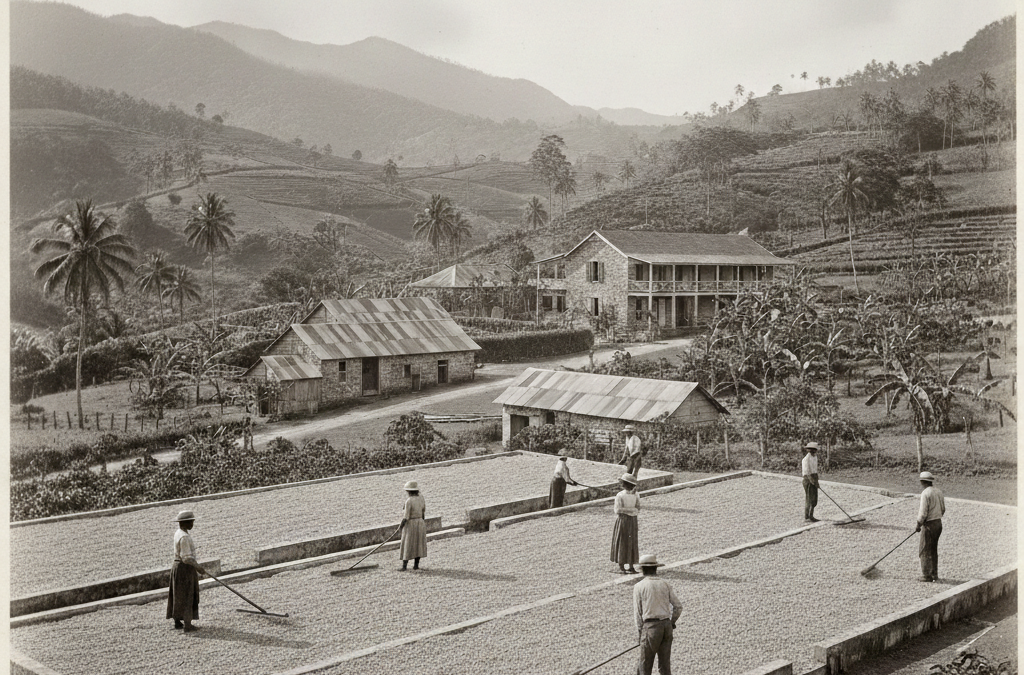
Perched in the cool, mist-laden hills near Gordon Town, St. Andrew, the Middleton Coffee Plantation of 1870 stood as both a testament to a bygone era and a bold experiment in a new one. In the decades following emancipation, the landscape of Jamaican agriculture was being painfully, slowly re-forged. Middleton, during this pivotal post-slavery period, embodied the ambition, adaptation, and enduring challenges of running a highland coffee estate in Jamaica’s Gilded Age.
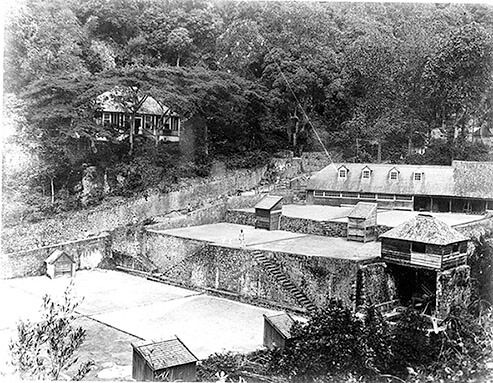
Unlike the pioneering giants of the 18th century, such as nearby Temple Hall, Middleton was a product of a transformed world. By 1870, the island’s coffee industry, once a global powerhouse, was navigating a complex recovery. The old plantation model, reliant on enslaved labor, had collapsed. Middleton’s existence speaks to a drive to revitalize the trade under a new system—one that now incorporated wage labor, tenant farming, or sharecropping arrangements with the newly freed population. Its location near Gordon Town, a key market and administrative hub in the Blue Mountain region, placed it at the heart of Jamaica’s surviving coffee cultivation zone.
The daily rhythm of Middleton in 1870 would have been a blend of tradition and transition. The meticulous process of growing Coffea arabica remained unchanged: pruning the shaded shrubs, harvesting the red cherries by hand, and the water-intensive work of pulping, fermenting, and washing the beans. However, the social dynamics were entirely new. Estate owners or managers now negotiated labor and wages, a fragile and often contentious relationship. The workforce, comprised of formerly enslaved people and their descendants, sought to balance wage work on the estate with cultivating their own provision grounds, asserting their hard-won autonomy.
The architecture of Middleton reflected its era and purpose. The centerpiece was likely a Georgian or Victorian-style Great House, more modest than its pre-emancipation predecessors but still commanding a strategic view over the coffee fields. Crucial to its operation were the functional buildings: the pulpery, often water-powered by a diverted spring or river; the fermentation tanks; the extensive drying barbecues (raised platforms with sliding roofs to protect the beans from rain); and the curing and storage works. These structures were the economic engine of the estate, turning the harvested cherry into the valuable “green bean” ready for export, often via mule train down to Kingston.

Middleton’s story was shaped by powerful external forces. It operated in the shadow of a global market where Jamaican coffee, once preeminent, now faced fierce competition from Brazil and other Latin American producers. Furthermore, the estate was perpetually vulnerable to the fickle climate of the Blue Mountains—early rains could spoil a drying harvest, and a single hurricane could wipe out a year’s crop and destroy critical infrastructure. The Great Hurricane of 1880, which devastated Gordon Town and the surrounding valleys just a decade later, serves as a stark example of the existential threats such estates faced.
Today, the legacy of Middleton is fragmented. The estate may have later been subdivided, absorbed into larger holdings, or simply abandoned as the 20th-century coffee industry consolidated. Traces might survive in the landscape—an overgrown stone wall, the ruins of a pulpery by a stream, or a place name kept alive by local memory. It exists now more in historical ledgers, survey maps, and perhaps family papers than in physical prominence.
The Middleton Coffee Plantation of 1870 represents a critical, often overlooked chapter. It was not the first wave of colonial exploitation nor the modern, branded industry of today. It was the resilient middle chapter—an attempt at a Phoenix-like rise from the ashes of the old system. In its struggles and its adaptations, Middleton tells the story of a Jamaica in transition, where the aroma of coffee still rose from the hills of St. Andrew, carried on the winds of profound and irreversible change.

Recent Comments