

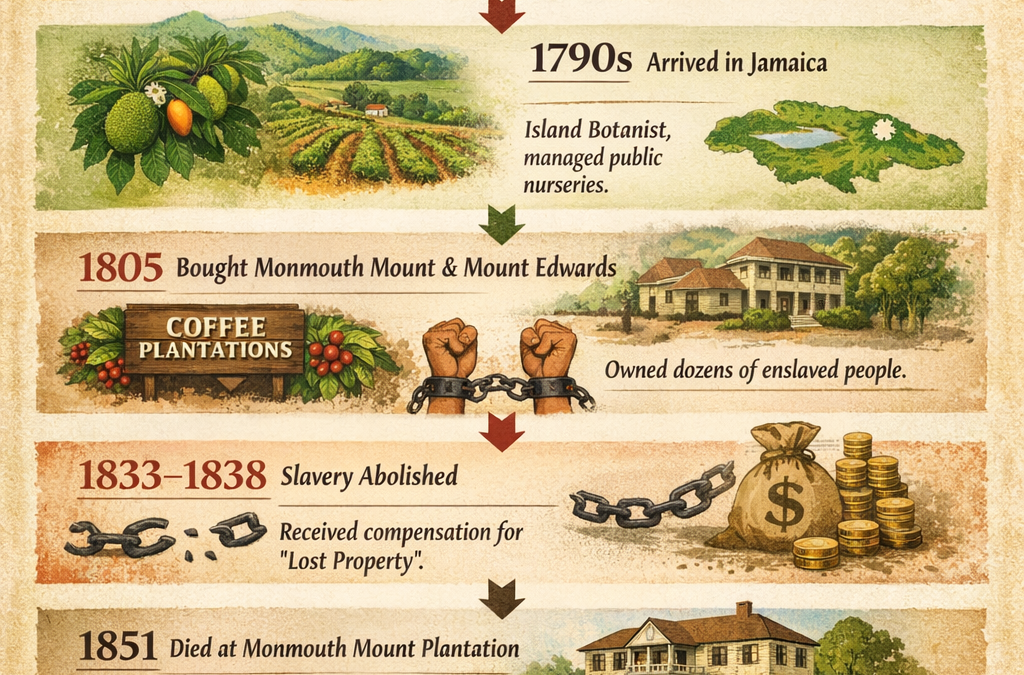
Coffee has become one of the world’s most beloved beverages, enjoyed by millions every day. But behind the rich aroma and global popularity lies a complex history shaped by colonial expansion, plantation economies, and systems of exploitation. To understand how coffee became embedded in Jamaica’s economy and culture, we need to look at figures like James Wiles (1768–1851)—a botanist whose life illustrates both the scientific promise and the human cost of coffee’s rise in the Caribbean.
From English Gardener to Caribbean Botanist
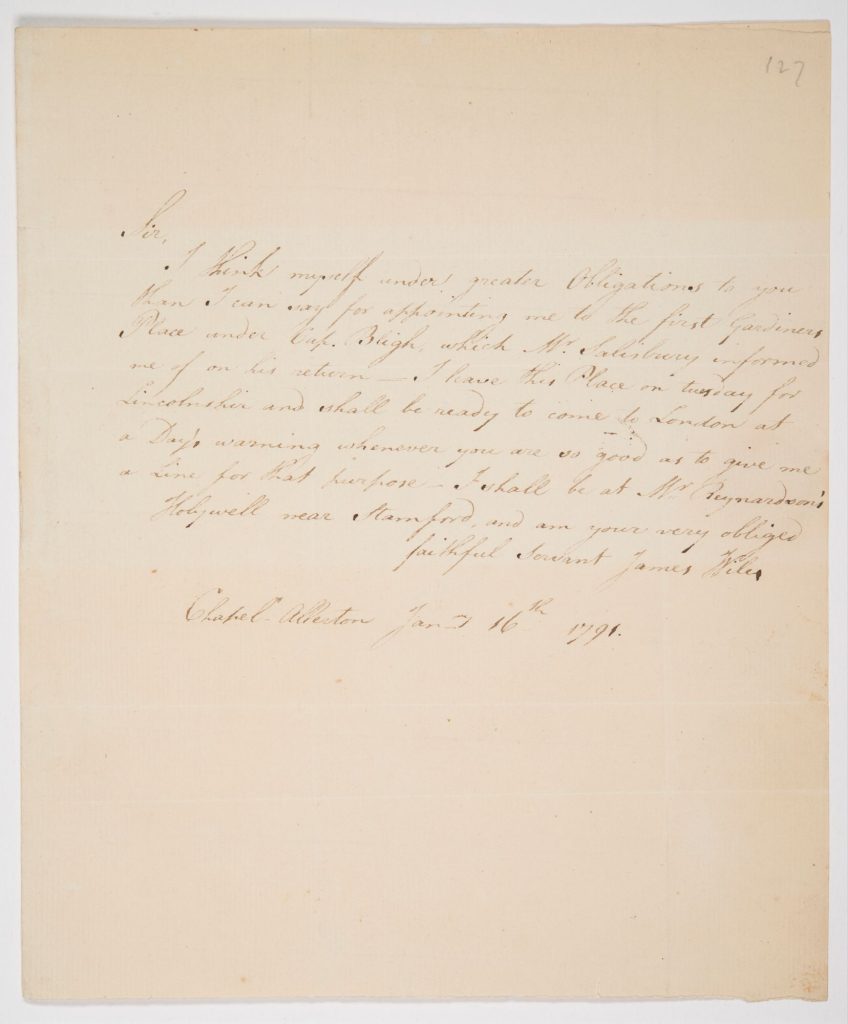
James Wiles was born in Lincolnshire, England, in 1768. He trained in horticulture and quickly developed a reputation for botanical skill. In the late 18th century, the British Empire was actively moving plants and crops around the world to support colonial agriculture. Wiles joined this effort, serving as a gardener and plant collector on HMS Providence, a ship tasked with transporting breadfruit and other tropical plants from the Pacific to the Caribbean. This expedition not only expanded Europe’s horticultural knowledge but also helped plant the seeds of new agricultural systems in colonies like Jamaica.
When Wiles arrived in Jamaica in the early 1790s, he was appointed to oversee public nurseries and promote introduced crops. His work included tending and cataloguing plants such as mango, breadfruit, and cinnamon. By 1803, he had been named the Island Botanist—a position that placed him at the center of botanical management and colonial agriculture on the island.
Coffee Plantations and Enslaved Labor
Wiles’ contributions to botany were significant, but they were inseparable from the colonial economy that dominated Jamaica. During the 18th and early 19th centuries, coffee had become one of the island’s most profitable cash crops. European demand was high, and Jamaica’s mountainous terrain proved ideal for coffee cultivation. However, the labor that made this system profitable was not free.
Around 1805, James Wiles purchased two coffee plantations in the parish of St. Andrew—Monmouth Mount and Mount Edwards. These estates were typical of the colonial plantation model: large agricultural enterprises that relied on the forced labor of enslaved Africans and their descendants. Coffee cultivation was backbreaking work; it required clearing land, planting seedlings, tending to trees by hand, and harvesting cherries under the tropical sun.
Historical records indicate that Wiles owned dozens of enslaved people on his estates. These individuals were compelled to work without freedom, often under harsh conditions, for the economic benefit of plantation owners and colonial markets overseas. This exploitation was not unique to Wiles—plantations throughout the Caribbean were built on this system. Coffee production’s profitability depended on denying basic human rights to those who labored for it.
Abolition and Compensated Injustice
The movement to abolish slavery gained ground in the British Empire in the early 19th century. The British Parliament passed the Slavery Abolition Act in 1833, which led to the end of legal slavery in most British colonies by 1838. However, the end of slavery did not mean justice for the formerly enslaved. Plantation owners like Wiles were compensated by the British government for the loss of their “property,” receiving payments for enslaved people they had previously owned. This compensation—paid out of public funds—was deeply unjust, reinforcing the economic power of former enslavers while ignoring the suffering of those who had been enslaved.
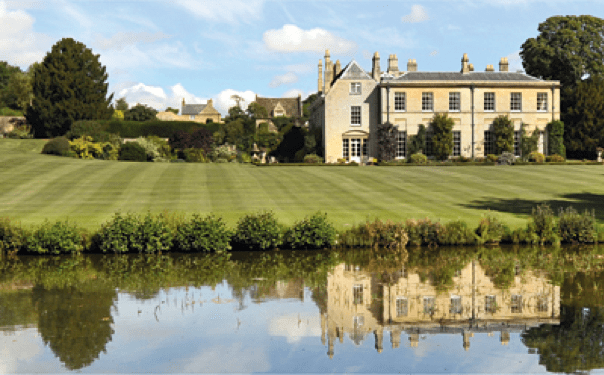
Wiles continued to live and work in Jamaica after abolition, serving in colonial institutions such as the militia and as a magistrate. He died on his estate at Monmouth Mount in 1851 at the age of 83.
Legacy and Reflection
The story of James Wiles sheds light on a broader truth: the expansion of coffee as a global commodity was deeply connected to colonial power and systems of exploitation. Botanical discovery and agricultural innovation played a role in spreading coffee around the world, but these advancements were tightly bound to economic structures that denied freedom and dignity to countless people.
For contemporary coffee lovers and traders, understanding this history is important—not to diminish coffee’s cultural value, but to recognize the resilience of the communities who bore the brunt of its early production. Today’s coffee industry continues to grapple with issues of economic fairness, labor rights, and ethical sourcing—issues that echo the injustices of the past.
Coffee with Conscience
At Island Coffee Traders, we honor the legacy of coffee-growing communities by committing to transparent, ethical sourcing practices. We believe that every cup should celebrate not only flavor and quality, but also dignity, fairness, and respect for the people and lands that make great coffee possible.
By learning from history, we can work toward a future where coffee production lifts up communities rather than exploiting them—and where the story behind the bean is one of justice as much as it is of taste.

Recent Comments