
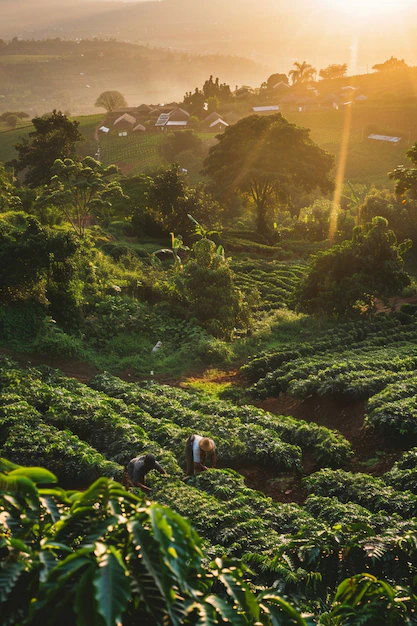
Jamaican Blue Mountain Coffee, celebrated globally for its exceptional quality and rarity, faces a perfect storm of challenges that threaten to escalate its market value dramatically. Climate change-induced weather volatility, rising labor and production costs, and increasing international demand are converging to create sustained upward pressure on prices. This impending price surge carries significant implications for all participants in the coffee ecosystem: local growers must balance crop sustainability with economic survival, exporters navigate shrinking profit margins, and specialty coffee enthusiasts worldwide confront the prospect of diminishing access to this iconic brew. As market dynamics reach a tipping point, understanding these interconnected impacts becomes crucial for stakeholders across the value chain.
For Consumers
Retail prices for Jamaican Blue Mountain Coffee could climb even higher, turning it into an even greater luxury item. Consumers in major markets like Japan, which imports over 70% of Jamaican Blue Mountain Coffee, may see a significant increase in shelf prices.
For Producers
Producers may face challenges balancing higher production costs with maintaining affordability for buyers. Small-scale farmers might struggle to keep up with rising input costs, potentially reducing the overall supply.
For the Industry
Increased prices could push some coffee enthusiasts toward alternative specialty coffees that offer premium qualities at a slightly lower cost. However, the exclusivity and reputation of Jamaican Blue Mountain Coffee could sustain its desirability among affluent consumers.
Navigating the Price Surge
To mitigate the effects of rising prices, stakeholders in the Jamaican Blue Mountain Coffee industry can adopt several strategies:
Investing in Sustainable Practices: Adopting climate-resilient farming techniques could help stabilize production in the long term.
Streamlining Supply Chains: Improving transportation and distribution efficiency could offset some cost increases.
Exploring New Markets: Diversifying market presence beyond Japan and traditional consumers may help maintain demand and broaden the customer base.
Promoting Premium Value: Highlighting the exclusivity, heritage, and sustainability of Jamaican Blue Mountain Coffee could justify its higher price to discerning customers.
As coffee prices rise globally, Jamaican Blue Mountain Coffee will likely experience noticeable price increases, further solidifying its status as a luxury product. While this may limit access for some consumers, its premium appeal and loyal market base could sustain demand. For the industry, focusing on sustainability and efficiency will be key to navigating these challenges while preserving the legacy of one of the world’s most celebrated coffees.

Recent Comments